Vital Services Delivered by Arborists: Preserving Your Trees and Landscape
Arborists fulfill a crucial function in maintaining the health of trees and beautifying outdoor spaces. Their skill set includes a range of key services, from planting and diagnosing ailments to precise pruning and pest prevention. These specialists not only enhance the visual appeal of properties but also advance greater environmental aims. Examining the particular methods and practices used by arborists reveals how they protect our green spaces and guarantee the sustainability of tree populations. What difficulties arise in the course of their professional responsibilities?
The Critical Role of Arborists in Tree Care
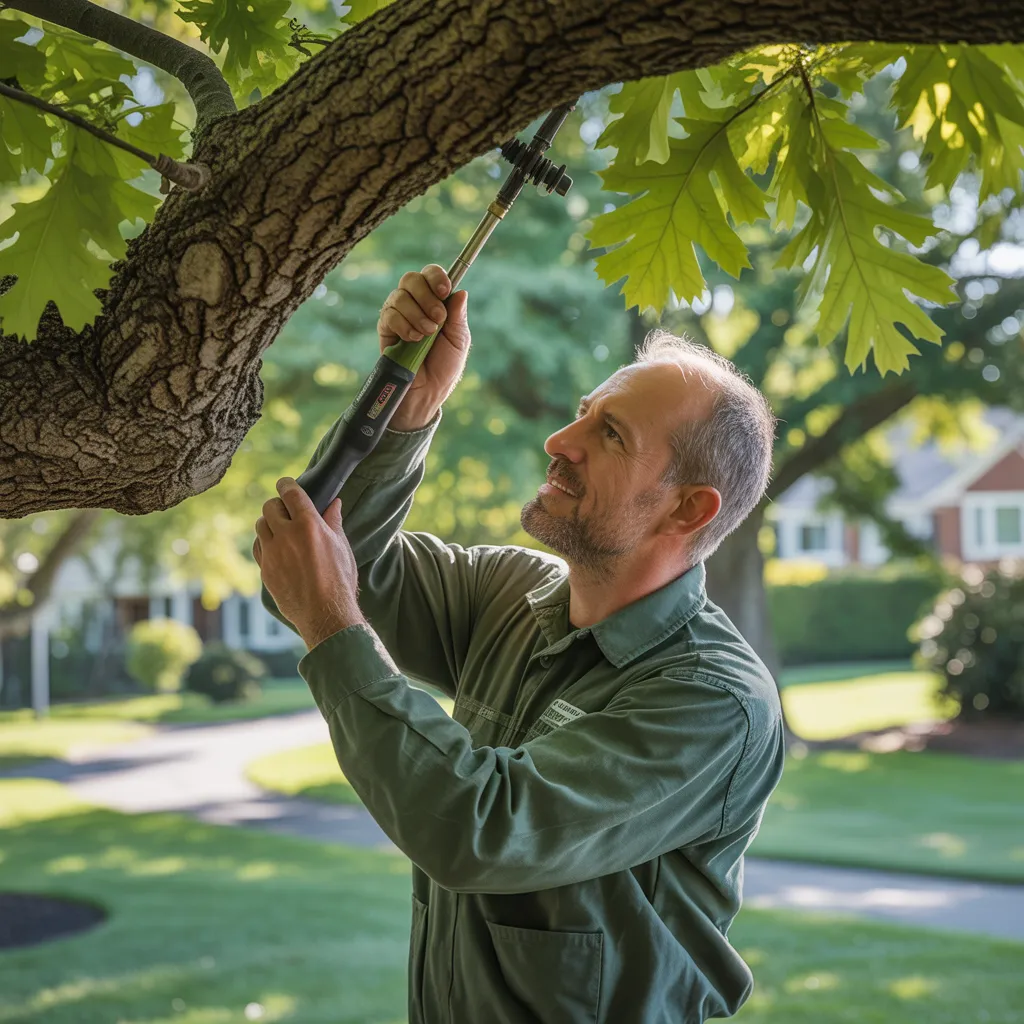
Arborists fulfill a critical role in the preservation and maintenance of trees, promoting their strength and long life. These trained professionals have an extensive knowledge of arboricultural biology and ecology, allowing them to assess the condition of trees accurately. They identify diseases, pests, and environmental stresses that may threaten tree health. Arborists also provide essential services such as planting trees, identifying issues, and suggesting treatments customized for particular species and settings.
Furthermore, they inform property owners about effective tree management techniques and the critical nature of preserving tree health in the outdoor space. Arborists routinely cooperate with local governments and organizations to support urban tree management efforts, increasing environmental diversity and bettering air conditions. Their professional proficiency not only contributes to the aesthetics of homes and businesses but also serves a vital function in natural resource protection. Ultimately, arborists are key defenders of our trees, promoting a sustainable relationship between nature and urban development.
Strategies for Efficient Tree Pruning
Proper tree pruning entails familiarizing yourself with different techniques and determining the optimal timing for each approach. Distinct pruning approaches address specific goals, ranging from promoting growth to preserving tree vitality. Timing is essential, as selecting the correct season can profoundly affect the tree's reaction to pruning activities.
Varieties Of Pruning Techniques
Pruning trees requires a careful methodology to ensure vigorous growth and visual appeal. Various pruning methods serve distinct purposes, each suited to individual scenarios. Thinning involves selectively removing branches to improve light exposure and airflow, promoting overall tree health. Crown reduction, alternatively, decreases the height and expanse of a tree while preserving its organic form, commonly applied to lessen dangers from powerful gusts. Deadheading focuses on removing spent flowers or dead branches, encouraging new growth and prolonging blooming periods. Lastly, rejuvenation pruning is performed on overgrown shrubs, promoting vibrant growth by removing mature wood. Comprehending these techniques enables arborists to skillfully oversee tree wellness and guarantee a visually appealing landscape.
Ideal Timing For Effective Pruning
When should trees be pruned for the best health and growth results? Experts in tree care advise pruning during late winter or early spring, immediately prior to the onset of new growth. This timing minimizes stress on the tree and reduces the risk of disease. It supports superior recovery as the tree transitions into its active growing phase. Certain species may also benefit from summer pruning to manage size or remove dead wood. Nevertheless, pruning in fall is typically not recommended, as it may leave trees vulnerable to winter damage. Understanding the specific needs of each tree species is essential for peak results. By following these recommendations, tree care professionals ensure trees stay healthy and thriving across their lifespan.
The Way Arborists Manage Tree Diseases and Pests
Arborists carefully oversee and address tree diseases and pests to secure the health and longevity of urban and rural trees. They initiate the process by carrying out comprehensive assessments to detect initial indicators of infestations and infections. Drawing on their specialized knowledge, arborists determine the nature and scope of the concern, which is essential in establishing the best available treatment solutions.
Integrating IPM strategies, they blend chemical, biological, and cultural controls to minimize the environmental impact. This thorough technique can include introducing beneficial insects, using organic-based treatments, or utilizing specific pesticides when required.
In addition, tree care professionals inform property managers on preventative steps, such as proper watering and pruning techniques, to improve the hardiness of trees. Ongoing maintenance and assessment confirm that any arising concerns are resolved quickly, consistently protecting the aesthetic and ecological value of trees in both urban and rural settings.
Key Signs You Require Emergency Tree Removal?
Tree health can deteriorate rapidly, creating scenarios where urgent action becomes essential. Indicators that suggest emergency tree removal is required include visible cracks or splits in the trunk, which undermine the tree's structural stability. Additionally, significant branches or the whole tree tilting at an abnormal angle may indicate instability, especially after severe weather. Dead or decaying branches, commonly paired with visible fungal development, imply that the tree cannot be saved.
Another important indicator is the occurrence of significant root deterioration, which can cause additional instability to the tree. If a tree is situated close to electrical lines or buildings, any of these signs can present immediate safety hazards. Tree specialists advise prompt assessment and action when these signs are observed, as neglecting them can result in dangerous conditions for both nearby individuals and property. Periodic assessments can help in comprehensive article identifying these issues before they escalate into emergencies.
Essential Guidelines for Planting New Trees
When introducing new trees selecting the appropriate species is crucial to ensure lasting health and development. Furthermore, adequate soil conditions play a significant role in the development of a tree. Understanding these factors can significantly improve the results of any planting project.
Selecting The Correct Species
Identifying the ideal tree species is crucial for achieving a thriving landscape, as distinct types provide varied advantages and drawbacks. Factors such as climate, soil type, and available space play a vital role in making this choice. As an example, indigenous varieties tend to need minimal upkeep and are more suited to local conditions, supporting local wildlife. Furthermore, factors like mature size, growth rate, and disease resistance can influence the decision. Homeowners should also consider the aesthetic appeal and seasonal interest of the selected species, ensuring they complement the surrounding environment. Consulting with an arborist can deliver professional recommendations, aiding in choosing trees that align with both personal preferences and environmental conditions, ultimately fostering a resilient and balanced outdoor environment.
Maintaining Ideal Soil Conditions
Preparing the soil is essential for the effective growth of new trees. Tree care specialists stress the importance of examining soil quality before planting. This requires testing pH levels and ensuring proper drainage to develop an ideal environment for root growth. Enriching the soil with organic matter can boost nutrient availability and refine structure. Additionally, the soil should be sufficiently aerated to allow roots to spread freely, yet sufficiently compact to ensure anchorage.
Tree experts suggest digging a hole that is at least twice the width of the root ball to promote lateral root expansion. Applying mulch around the tree's base aids in preserving moisture and controlling temperature, additionally promoting vigorous growth. Proper soil conditions lay the groundwork for thriving trees and vibrant landscapes.
The Significance of Routine Tree Maintenance and Inspections
Routine tree maintenance and inspections are critical for ensuring the vitality and protection of trees and adjacent properties. Tree specialists play a crucial role in detecting potential problems, including disease, pest invasions, and structural vulnerabilities. Routine evaluations enable prompt interventions, which can avert expensive damage and preserve the lifespan of trees.
Furthermore, routine maintenance, such as fertilization and pruning, supports strong growth and elevates the beauty of surrounding landscapes. Inspections help identify trees that may pose risks to nearby structures or people, enabling proactive measures to mitigate hazards.
Moreover, tree maintenance provides significant ecological benefits, such as improved air quality and wildlife habitat. By investing in regular maintenance and inspections, homeowners can protect their property value and nurture a flourishing ecosystem. At the core of it all, the proficiency of certified arborists confirms that trees flourish beyond mere survival, enriching the overall beauty and protection of the landscape.
Common Questions and Answers
What Certifications Should I Look for in an Arborist?
When hiring an arborist, you should verify qualifications such as ISA (International Society of Arboriculture), state-specific licenses, and TCIA (Tree Care Industry Association) credentials, guaranteeing their competence in tree care and management.
How Frequently Should I Plan Tree Inspections?
Tree inspections ought to be carried out annually, or every six months for high-risk species or areas. Regular assessments help identify potential issues early, ensuring trees remain healthy and safe while supporting overall landscape strength and aesthetic quality.
Are Arborists Able to Assist With Landscaping Design?
Certainly, tree care specialists can assist with landscape development by analyzing tree vitality, proposing suitable plant species, and ensuring proper arrangement. Their extensive experience elevates aesthetic appeal while fostering ecosystem stability, resulting in a lasting and visually appealing natural setting.
When Is the Ideal Time for Planting Trees?
The best time for tree planting is during the early spring or fall. These times of year offer perfect soil temperatures and moisture conditions, encouraging strong root development and guaranteeing improved growth during the following warmer months.
In What Ways Do Weather Conditions Influence Tree Care Services?
Climate conditions considerably affect arboricultural services. Precipitation, extreme temperatures, and strong winds may affect scheduling, pest activity, and soil health, demanding changes in approaches and timing to guarantee ideal tree health and growth.